

How to Get More Value from Industrial Materials and Reduce Waste
Strategies to improve efficiency, reduce costs, and create more value from available materials
At JOMO, we look at materials differently. What is often considered waste in manufacturing may still have value and the potential to become part of a new product.
That is why, when developing a project, we focus on much more than the finished part. We evaluate how to maximize material utilization, reduce manufacturing losses, simplify production processes, and identify new applications for materials that remain within the process.
We believe that the most effective way to reduce waste is to prevent it from being generated in the first place.
1. Design Products for Maximum Material Utilization
Many opportunities to reduce costs and improve sustainability arise during the product development stage.
When defining product dimensions, it is important to consider the available widths and formats of the materials used in production. A design that ignores these factors can generate unnecessary scrap throughout the manufacturing process.
Proper planning from the beginning helps achieve:
- Higher material utilization;
- Lower material consumption;
- Reduced manufacturing costs;
- Greater competitiveness;
- Lower environmental impact.
In practice, some of the most effective sustainability improvements begin during the engineering phase.
2. Optimize Part Layout and Production Processes
In addition to product design, part layout during manufacturing has a direct impact on material consumption.
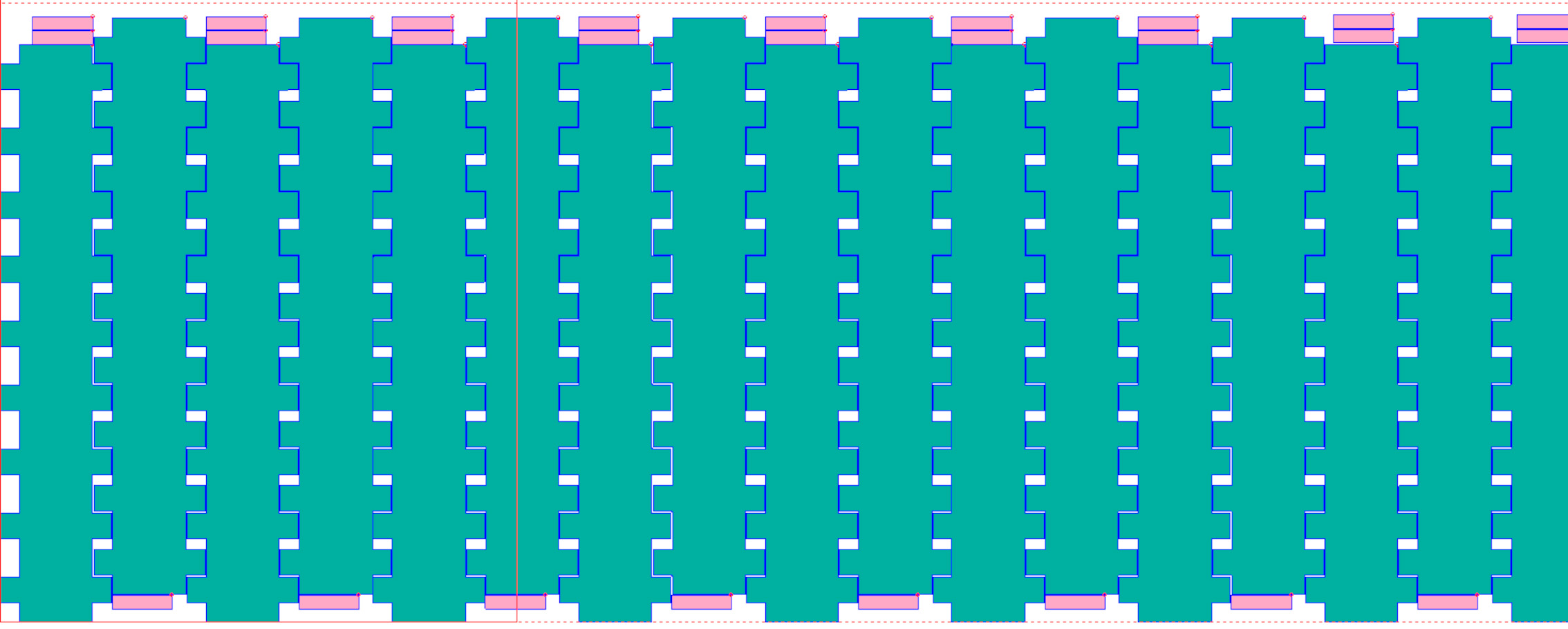
In thermoforming, for example, the spacing between cavities affects material yield. In cutting operations, it is often possible to share cutting lines between parts, reducing unnecessary trim and scrap.
Every material requires a specific evaluation. Thickness, hardness, flexibility, and geometry all influence the most efficient manufacturing approach.
To support different applications, JOMO utilizes multiple cutting technologies:
- Automated oscillating knife cutting;
- Laser cutting;
- Custom steel-rule dies;
- Proprietary equipment developed for specialized applications.
Selecting the right technology improves manufacturing efficiency while minimizing material loss.
3. Viewing Materials as Resources
At JOMO, we do not like to think of materials as waste. We prefer to see them as resources that can continue creating value.
For this reason, we continuously explore ways to reintegrate production trim and manufacturing leftovers into new processes and new products.
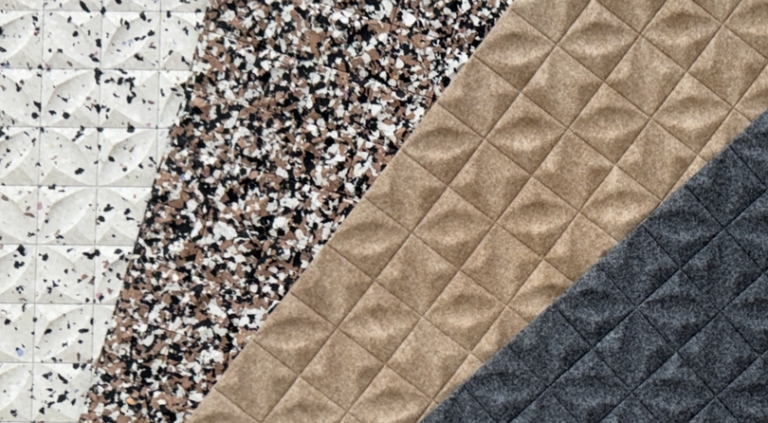
Depending on the material, these by-products can be ground, processed, and transformed into new raw materials such as EcoFlake® and EcoFoam®.
This approach reduces the need for virgin materials, supports circular economy principles, and creates economically viable solutions for our customers.
More importantly, it changes the way manufacturing materials are perceived. When materials are viewed as resources rather than waste, new opportunities for innovation and value creation emerge.
4. Use Recycled Materials Whenever Possible
Another way to reduce environmental impact is to incorporate recycled materials into product development.
JOMO offers solutions containing high percentages of recycled content without compromising product quality, functionality, or appearance.
Each project is evaluated individually to achieve the best balance between technical performance, sustainability, and cost-effectiveness.
5. Select Efficient Manufacturing Processes
Modern manufacturing technologies make it possible to produce more while consuming fewer resources.
With decades of experience in thermoforming, material lamination, cutting, and sewing, JOMO continuously develops solutions that improve productivity and reduce waste.
Choosing the right tooling, optimizing part nesting, and selecting the most efficient production process all contribute directly to project performance.
In addition, many thermoformed components are specifically designed to simplify downstream operations such as sewing, assembly, or integration into our customers’ production processes. This reduces labor time, increases consistency, and improves overall productivity.
6. Consider End-of-Life Recycling During Product Development
Sustainability does not end when a product leaves the factory.
Whenever possible, products should be designed to facilitate material separation and recycling at the end of their useful life.
In many cases, simpler solutions with fewer components and fewer material types can fully meet technical requirements while improving recyclability and supporting circular economy objectives.
7. Rethink Packaging
Packaging also presents significant opportunities to reduce waste.
In many projects, individual packaging can be replaced by collective protection systems inside shipping containers or cartons.
JOMO also develops returnable packaging solutions that integrate directly into our customers’ production operations and can be reused through multiple cycles.
In addition to reducing disposal needs, these solutions decrease the consumption of cardboard boxes, plastic bags, and other packaging materials.
8. Zero Waste Since 2019
Since 2019, JOMO has embraced a Zero Waste philosophy.
Rather than focusing solely on recycling internal materials, we actively seek new applications for materials that would traditionally be discarded.
This approach led to the development of solutions such as EcoFlake® and EcoFoam®, which are now used in insoles, technical components, protective packaging, and many other industrial applications.
For us, sustainability means creating greater value from resources that already exist.
JOMO’s Commitment
We believe that maximizing material utilization is good for both the environment and business.
That is why we develop solutions that reduce waste, improve manufacturing efficiency, and help our customers generate more value from every project.